
Hamburg´s Harbour City
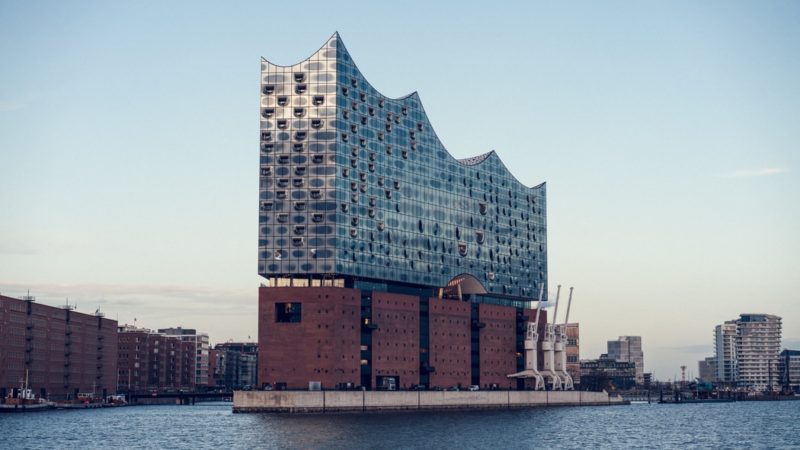
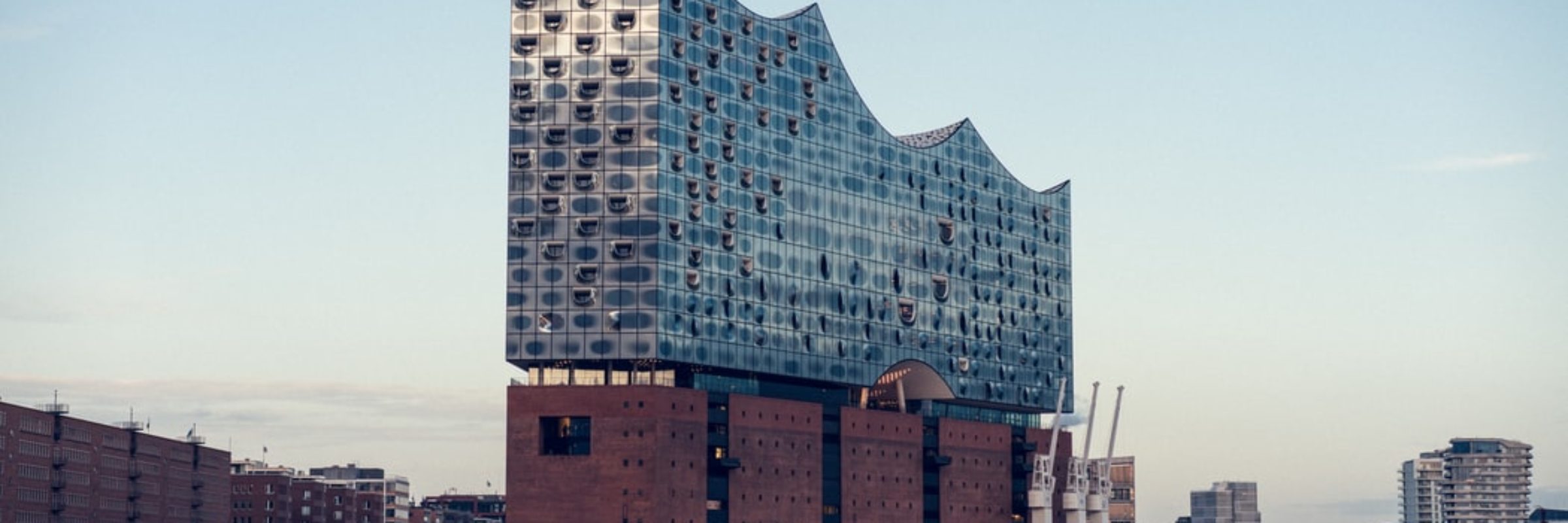
The Elbphilharmonie is Hamburg’s newest cultural landmark and a dazzling crowd-puller.
However, the vibrant district on the Elbe River has a lot more to offer than just the magnificent concert hall it is so famous for. Side by side, the historic Speicherstadt and a vast new residential area have been forming this
exciting new city quarter, known as HafenCity (Harbour City), since 2008.
Once upon a time, thousands of sacks of coffee, tea and spices from all over the world were stored here in the Speicherstadt. The old brick warehouses with their neo-Gothic architecture, built between 1885 and 1927, were declared a UNESCO world heritage site in 2015. The buildings once constituted the largest logistics centre in the world. While the Speicherstadt has largely lost its function as a warehouse district today, it is still considered the world’s largest trading centre for oriental carpets and rugs, where around 40 Iranian and Afghan traders jostle shoulder to shoulder to sell their colourful and opulent Berber carpets, kilims, and vintage rugs.
Today, as I walk through this historic district, the brick facades glow red in the sunshine, standing bold against a cloudless blue sky. I let my gaze wander up to their pointed gables, where the coils of the rope winches protrude from the walls. A hook dangles in front of a hatch and I shout up to the trader jokingly: “Do you sell flying carpets, too?” He looks down, laughs and promptly returns: “Yes, come back tomorrow. The next shipment will float up to the higher storage levels by winch”. Just like sacks full of pepper a hundred years ago. Here, sales are still sealed with a handshake…